

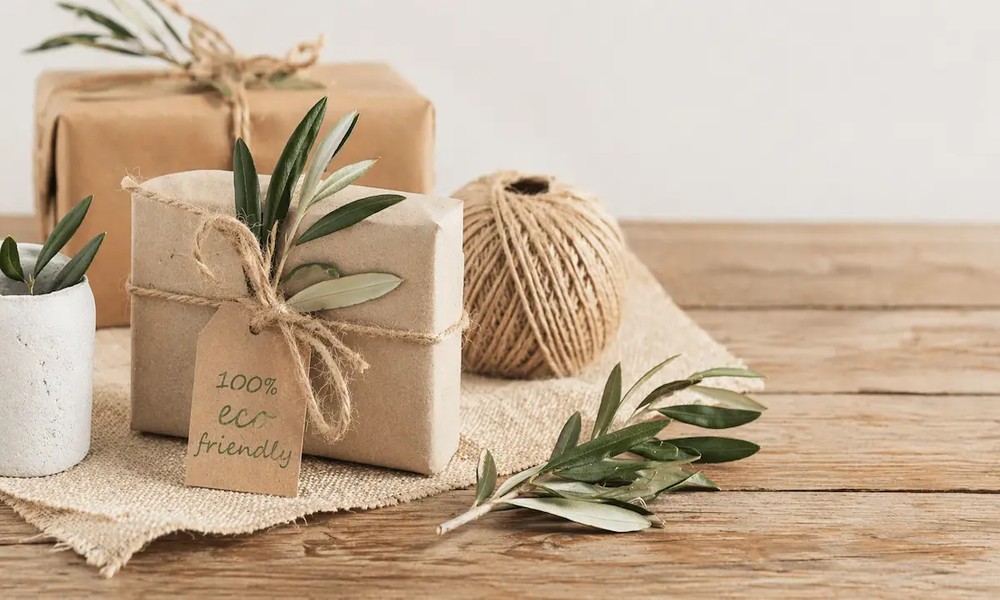
Skip the waste, keep the thoughtfulness. Gift giving should feel good for both the recipient and the planet, yet so many well-intentioned packages end up creating more problems than they solve.
What Defines Environmentally Conscious Gift Packaging?
Sustainable gift wrap is more than recycled brown paper and twine. The best eco-friendly packaging reduces waste, uses renewable resources, and leaves the smallest possible footprint. Features to look for include plastic-free designs, compostable or recyclable materials, and minimal inks or dyes. Packaging should also be sourced and manufactured with ethical practices in mind.
Key Features of Eco-Friendly Packaging
– Plastic-free: Avoidance of polyethylene coatings or concealed plastic linings.
– Easily recyclable or compostable: Materials like kraft paper, corrugated cardboard, and plant-based wraps excel here.
– Minimal adhesives and inks: The less chemical intervention, the less environmental impact.
– Durable yet minimal: Sturdy enough to protect the gift, but not excessive.
Common Materials Used and Their Impact
Paper, cardboard, bamboo fiber, cotton, and plant starch-based plastics are common choices. However, not all plant-based or paper products are equal. Some contain hidden plastics or coatings that complicate recycling or composting. The impact of each material depends on local disposal options and how the packaging is constructed.
Why Is Choosing the Right Eco Packaging Important?
Every year, tons of gift packaging end up in landfill, even when alternatives exist. When eco-friendly promises fall flat, the environmental cost grows.
Environmental Consequences of Poor Choices
“Biodegradable” doesn’t always mean planet-friendly. Some so-called green materials only break down in industrial composters, if they end up in the right facility. If they land in regular trash, they persist for years. Meanwhile, hidden plastics in packaging contaminate recycling streams, making entire batches unrecyclable.
How Packaging Influences Perceived Gift Value
Sustainable packaging sends a message. It tells your recipient you value both them and the planet. On the flip side, wasteful or misleading packaging can undermine the very intent behind your gift, making it feel less thoughtful and even careless.
What Are the Most Common Mistakes When Selecting Eco Packaging?
The urge to do good can backfire if you overlook the following traps:
Mistaking Biodegradable for Compostable
Not all biodegradable materials are compostable. Biodegradable options might only break down under high-heat, industrial conditions that typical curbside composting cannot provide. If tossed in regular garbage, these materials can still take decades to decompose.
Overlooking Hidden Plastics in “Green” Materials
That “paper” bag might have a thin plastic liner for waterproofing. Labels, tapes, and decorative finishes can also hide plastics that disrupt recycling and composting processes.
Ignoring Local Recycling Capabilities
An item labeled “recyclable” in one city may head straight to landfill in another. Many facilities cannot process mixed-material packaging or certain plant-based plastics. Always check local guidelines.
Prioritizing Aesthetics Over Sustainability
Sparkly, colorful, or heavily laminated wraps often look beautiful but are environmental nightmares. Eco-friendly packaging can be stylish, but substance must come before style if your goal is sustainability.
How Can You Verify the Sustainability Claims of Packaging?
Greenwashing is everywhere. Not every “eco” label is backed by substance.
Certifications and Labels to Look For
– FSC (Forest Stewardship Council): Indicates responsible forestry.
– Compostable certifications: Look for BPI, OK Compost, or equivalent.
– Plastic-free: Some brands use third-party verification for plastic avoidance.
Questions to Ask Suppliers or Brands
– Is the packaging home compostable or only industrially?
– Are there any plastic linings, coatings, or adhesives?
– Can all components be recycled locally?
– Who certifies the eco claims?
What Packaging Materials Should You Avoid and Why?
Mixed-material packaging is especially problematic. Anything combining paper with foil, plastic, or metallic inks usually cannot be recycled or composted.
The Problem with Mixed-Material Packaging
Gift boxes and bags that combine materials may look high-end, but they rarely make it back into the recycling stream. The same goes for laminated wraps or ribbons made from synthetic fibers.
Issues with Certain Plant-Based Plastics and Coatings
Polylactic acid (PLA) plastics and some “bioplastics” need industrial facilities to break down. If these don’t exist in your area, these materials behave much like regular plastic.
How to Balance Practicality and Environmental Responsibility?
Gift packaging has to be functional, but that doesn’t mean sacrificing your eco principles.
Selecting Durable Yet Sustainable Options
Choose sturdy boxes or wraps from recycled or renewable materials. Avoid excess filler and look for minimal, recyclable tapes and labels.
Considering Reusability and End-of-Life Impact
Reusable cloth wraps or well-crafted gift boxes can be given again and again, reducing single-use waste. End-of-life matters: ensure everything can be home composted, recycled, or reused.
What Are Effective Alternatives to Conventional Gift Packaging?
Reusable solutions and zero-waste options are gaining traction for good reason.
Reusable Gift Boxes and Cloth Wraps
Cotton furoshiki wraps, jute bags, and recycled cardboard boxes all offer stylish, eco-friendly alternatives to disposable gift wrap.
Innovative Zero-Waste Solutions
Curated boxes from brands like Zero Waste Hero gift boxes demonstrate how thoughtful design and sustainability can go hand in hand. These options focus on plastic-free, reusable, or easily recyclable materials, making your gift as kind to the environment as it is to its recipient.
How to Ensure Your Gift Packaging Aligns With Your Values?
Transparency is key. Communicate your sustainable choices to recipients and support brands that walk the talk.
Tips for Transparent Communication with Recipients
Include a small note highlighting the packaging’s eco-friendly features and how to dispose of or reuse each component.
Supporting Brands That Prioritize Sustainability
Choose suppliers who have clear, verifiable sustainability practices, not just marketing jargon. When in doubt, ask questions and favor those who are happy to answer.
Gift-giving with the planet in mind doesn’t require perfection, just intention. By avoiding these common mistakes, you can ensure every present delivers joy without leaving a lasting environmental cost.
