Achieving Long-Lasting Durability with Precision Selected Steel Pipe Solutions

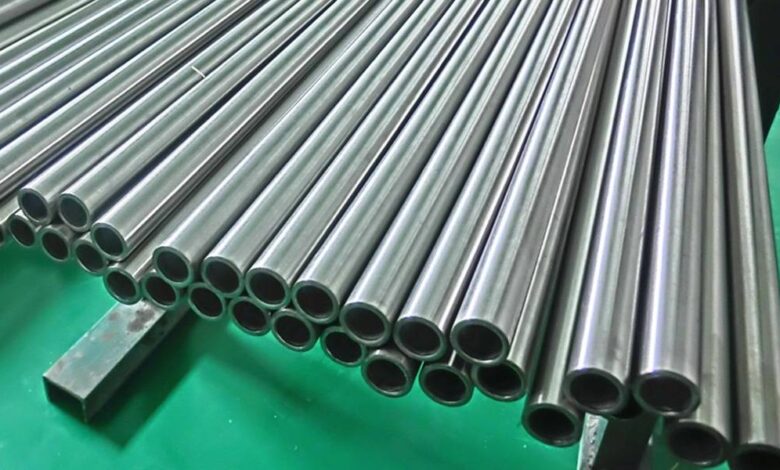
Reliability starts at the core of every project. When infrastructure fails, the aftermath is costly and sometimes dangerous, so it’s no wonder that durable materials, especially steel pipe, are in constant demand for construction, municipal, and industrial work.
Why Does Durability Matter in Steel Pipe Solutions?
Durability isn’t just a nice-to-have; it’s the backbone of safety and sustained performance in any pipe-based application. Cheap or poorly specified steel pipe may save dollars upfront, but the real price often comes later in the form of repairs, downtime, or compromised safety.
What Are the Risks of Using Low-Quality or Incorrect Steel Pipes?
Selecting the wrong grade, wall thickness, or pipe type can lead to cracks, leaks, corrosion, or even catastrophic failure under heavy loads or fluctuating temperatures. Even minor compromises on quality or specifications can snowball into structural issues that threaten the integrity of an entire project.
How Does Durability Impact Project Longevity and Safety?
A durable pipe system ensures that drainage, foundations, tunnels, and other mission-critical infrastructures remain robust over their intended lifespan. Consistent, high-caliber steel stands up to weather, pressure, and repeated use, reducing the risk of unexpected breakdowns or safety hazards.
How Do You Select the Right Steel Pipe for Your Project?
The decision starts with understanding the specific demands of your environment, then matching them with the right pipe specifications. Getting this right at the outset is vital for both budget and performance.
What Specifications Should You Prioritize: Size, Grade, and Thickness?
Not all steel pipes are created equal. The essential factors include:
– Size: Both the diameter and wall thickness must accommodate the expected loads.
– Grade: Structural, commercial, or surplus grades are available, each with unique properties.
– Thickness: Thicker pipes generally offer more durability but also add weight and cost, so balance is key.
Getting these details right means your materials will stand up to the pressures and stresses they’ll face in the field.
What Are the Differences Between Seamless, Piling, and Other Pipe Types?
Seamless pipes are ideal for high-pressure or precision applications, offering uniformity throughout. Piling pipes are specifically engineered for foundational work and load-bearing, and other varieties, like welded or micro-piling pipes, suit different construction or drainage needs. Each type has its own strengths, and selecting the right one avoids over-engineering or, worse, under-specifying.
When Should You Choose Surplus or Used Steel Pipes Without Compromising Quality?
Not every project requires pristine, brand-new materials. High-quality surplus or used pipes can offer excellent value if they meet the specification and pass rigorous inspection. This is especially relevant for non-critical applications, like fencing or agricultural irrigation, where the load and environmental factors are less intense.
Which Applications Demand Precision-Selected Steel Pipes?
Steel pipes aren’t one-size-fits-all. Their utility spans a surprising range of scenarios, each demanding tailored solutions.
How Are Steel Pipes Used in Foundation and Piling Work?
Foundation projects require steel pipe with exceptional strength and reliability. Piling and micro-piling applications support the weight of entire structures, so even minor flaws in the material can put everything above at risk. Here, the right specifications and precision selection make the difference between a building that stands the test of time and one that doesn’t.
What Role Do Steel Pipes Play in Drainage Systems?
In drainage, pipes must balance durability with resistance to corrosion and fit perfectly within complex networks. The wrong pipe can mean leaks, flooding, and costly remediation. Selecting the proper grade, size, and treatment ensures water flows where it should and infrastructure stays protected.
Why Are Steel Plates and Tubing Critical for Road Boarding and Tunneling?
Steel plates and tubing come into play when stability and safety are paramount, such as lining tunnels or reinforcing temporary roadways. These environments demand products that resist bending, warping, and wear, ensuring safe passage for vehicles, equipment, and people.
Where Can You Find a Reliable Source of High-Quality Steel Pipes?
Partnering with a distributor who combines range, quality, and expertise can simplify even the largest procurement efforts.
What Are the Advantages of Buying From a Single, Well-Stocked Distributor?
Working with a supplier that carries various grades and products under one roof saves time, reduces logistics headaches, and increases the chances of finding exactly what you need. With constant restocking and a wide array of choices, you get both flexibility and reliability.
How Do Multiple Locations Improve Accessibility and Logistics?
Distributors with facilities near major markets can shorten lead times and reduce shipping costs. Having locations in both Canada and the northeastern United States, for example, means easier pickups and faster fulfillment.
What Additional Services Enhance Your Steel Pipe Procurement?
An inventory is just the beginning. Value-added services transform basic materials into project-ready assets.
How Can Cutting, Welding, and Coating Services Save Time and Improve Outcomes?
Customization on-site, like cutting pipes to length, welding, threading, or adding protective coatings, streamlines installation and ensures a perfect fit. This reduces job-site work and minimizes waste.
What Custom Fabrication Options Are Available for Specialized Needs?
Professionals can handle beveling, splicing, and attaching end plates for unique or demanding applications, making even complex designs feasible with off-the-shelf stock as the foundation.
How Can You Maximize Value by Selling Used or Surplus Steel Products?
Unused or surplus steel doesn’t have to sit idle. Selling it can offset costs and keep supply chains moving efficiently.
What Types of Steel Products Are in Demand for Resale?
High-quality used pipes, plates, beams, bars, and even casing are always in demand, especially when they meet strict industry standards.
How Does the Selling Process Work, and What Logistics Support Is Offered?
A reputable distributor can arrange pickups and handle all logistics, ensuring sellers get fair market rates and an effortless transaction.
What Should You Consider When Planning Your Steel Pipe Purchase?
Expert advice is the final step before committing to a steel pipe order.
How to Get an Accurate Consultation to Match Products to Your Project?
Bring detailed specifications, expected loads, and environmental factors to your consultation. A knowledgeable team can recommend products that match your needs and budget.
What Questions Should You Ask Before Committing to a Purchase?
Confirm grades, origins, prior usage of surplus materials, and what customization or support services are available. This due diligence ensures you receive products that will perform as expected.
In every application, the difference between a project that lasts and one that falters often comes down to having the right materials. For those looking to maximize both safety and value, working with an experienced distributor and selecting the right steel pipe is the surest path to long-lasting durability.