

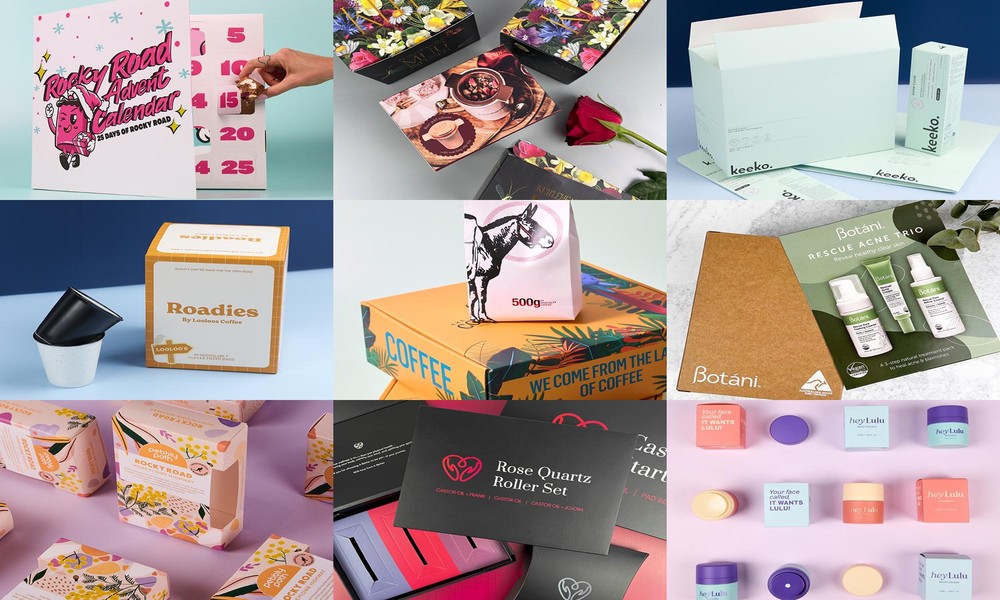
You already know what custom packaging is. I am not here to explain basics. I am here to help you make better decisions and avoid mistakes I see often. I have reviewed many packaging suppliers, box styles, and printing options over time. I pay attention to fit, print quality, lead times, and how smooth the process feels from start to finish. In this guide, I walk you through how to think about custom box packaging, what matters most, and how to choose a supplier that fits your goals.
Early on, many people focus on price or looks alone. That is not enough. Packaging affects how your product arrives, how it feels in hand, and how it reflects your brand. If you are exploring options like a custom gift box for retail, e-commerce, or presentation, the choices you make now will carry through every order you ship.
Why custom box packaging matters more than you think
Custom box packaging shapes first impressions. It protects your product and sets expectations before the item is even touched. A box that fits well reduces damage. A clean print builds trust. A strong structure signals quality.
I recommend thinking about packaging as part of your product, not a separate task. When packaging aligns with your brand values and product size, it creates consistency across every customer interaction.
Key areas where custom packaging makes a difference include:
- Product protection during shipping
- Shelf appeal for retail
- Brand recognition through color and layout
- Unboxing experience for repeat buyers
Choosing the right box style and structure
Box structure affects cost, protection, and presentation. I suggest starting with function before design. Ask how the box will be used, stored, shipped, and opened.
Common structures that work well in Australia include:
- E-commerce mailer boxes for shipping
- Rigid boxes with lids for premium items
- Magnetic flip-top boxes for presentation
- Tuck-end boxes for retail products
- Sleeve drawer boxes for flexible branding
- Shipping cartons for bulk or heavier items
A good supplier will help you choose a structure that fits your product exactly. Poor fit leads to wasted space, higher shipping costs, and damage risk.
Understanding custom box printing options
Printing quality affects how professional your packaging looks. I advise choosing printing based on design needs, not trends.
Digital printing works well for detailed artwork, shorter runs, and designs with white ink. Offset printing suits Pantone color matching and larger volumes.
Before committing, review how your design will appear on the chosen material. Ask for digital proofs and confirm color expectations early.
Materials, finishes, and sustainability choices
Material choice changes how a box feels and performs. I recommend balancing durability with presentation. Matte, gloss, kraft, and foil board options each serve different goals.
Finishes can improve visual appeal without overdoing it. Useful options include:
- Embossing or debossing for texture
- Foil stamping for accents
- UV spot gloss for contrast
- Matte or gloss coatings for protection
If sustainability matters to you, look for recyclable or compostable non-laminated options. These can still look clean and professional when done right.
Minimum order quantities and lead times
This is where many people get caught off guard. Custom packaging usually has minimums. In Australia, a starting point of 250 units per design is common.
Lead times vary based on complexity. I suggest planning ahead and confirming timelines before finalizing artwork.
Typical ranges you should expect:
- Express production around 4 to 6 weeks
- Standard production around 10 to 12 weeks
If you have a tight deadline, ask early. Last-minute changes create stress and extra cost.
What makes The Packaging People a strong option
When I compare suppliers, I look at guidance, flexibility, and consistency. The Packaging People stand out because they manage the entire process and keep communication clear.
They guide clients from enquiry to delivery. That reduces errors and avoids guesswork. They support both digital and offset printing and offer a wide range of box styles for retail, shipping, and presentation.
Other reasons they make sense include:
- Low minimums that suit smaller runs
- Access to premium finishes without complexity
- Digital proofs before production
- Physical samples when needed
- Support for inserts, sleeves, and specialty coatings
- Reorder support for consistent future runs
They focus on fit, durability, and visual clarity rather than pushing one solution for every project.
How to approach your first custom packaging order
I suggest keeping your first run focused. Do not overcomplicate it. Choose one structure, one finish style, and a clear design goal.
- Exact product dimensions
- Target quantity
- Preferred box style
- Print method preference
- Timeline expectations
This makes the process smoother and helps the supplier recommend the right options faster.
Final guidance before you decide
Custom box packaging works best when it supports your product and brand without drawing attention away from either. I recommend choosing a supplier that explains tradeoffs clearly and helps you avoid common mistakes.
The Packaging People offer a structured process, flexible options, and clear guidance. That combination helps reduce risk and keeps your packaging consistent across orders.
If you take the time to plan your packaging with intent, the result will support your product every time it reaches a customer.
