

Singapore is a bustling metropolis known for its vibrant economy, diverse culture, and impressive skyline. However, like many urban areas, it faces the growing challenge of noise pollution. With the increasing density of construction, traffic, and other activities, the need for effective noise control solutions has become more pressing than ever.
Noise barriers have emerged as a popular option in Singapore’s urban planning strategy, but the question remains: are they enough to combat rising urban noise levels? Let’s explore this issue in detail.
Understanding Noise Barriers
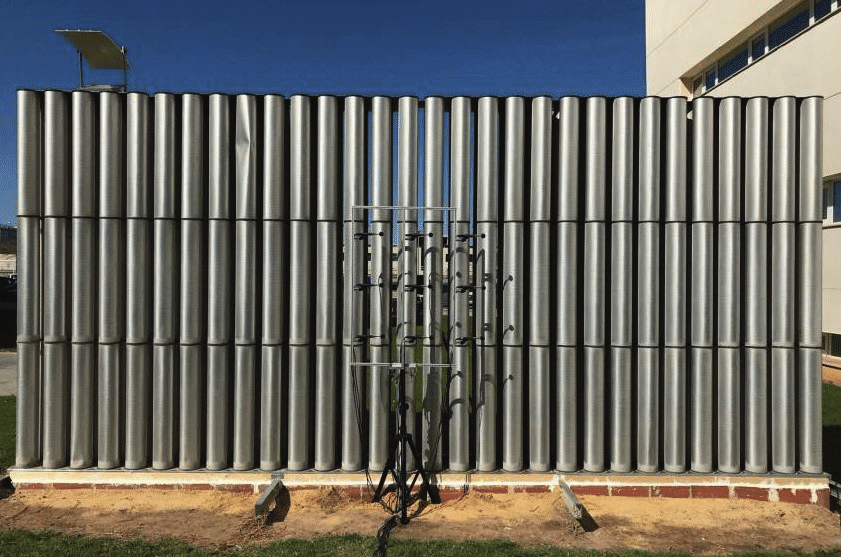
Noise barriers are structures designed to block or reduce sound transmission from one area to another. Typically made from materials such as concrete, metal, or special sound-absorbing panels, these barriers are strategically placed along roads, railways, and construction sites to mitigate the impact of noise on nearby residential and commercial areas.
In Singapore, noise barriers are increasingly being integrated into urban infrastructure projects to address complaints from residents about noise pollution. These barriers serve not only as sound insulation but also as visual screens, improving the overall aesthetic of the urban landscape.
The Growing Concern of Urban Noise Pollution
Singapore’s rapid development has contributed to a rise in urban noise levels. Factors such as:
- Increased Traffic: With a growing population and limited land, vehicle density continues to rise, leading to higher levels of road traffic noise.
- Construction Activities: As Singapore works towards ambitious infrastructure and housing projects, ongoing construction generates significant noise that can disrupt the daily lives of residents.
- Industrial Activities: Industrial zones, particularly those located near residential areas, contribute to the overall noise landscape, further complicating the issue.
According to the National Environment Agency (NEA), noise pollution in Singapore is primarily caused by traffic, construction activities, and other urban developments. With the city’s urban design focusing on a “live-work-play” model, where residential areas are often situated near commercial and industrial zones, finding a balance between urban growth and noise control becomes increasingly important.
The Effectiveness of Noise Barriers in Singapore
The implementation of noise barriers in Singapore has shown some positive results in reducing noise levels in certain areas. However, their effectiveness depends on several factors:
1. Design and Material Quality
The materials used in constructing noise barriers play a crucial role in their effectiveness. High-quality soundproofing materials can significantly reduce noise transmission, while poorly designed barriers may fall short. Singapore has adopted modern designs that incorporate noise-absorbing materials, making barriers more effective in dampening sound.
2. Height and Length of Barriers
The height and length of noise barriers are also critical. Taller and longer barriers are generally more effective at blocking noise. However, in a densely populated city like Singapore, there are practical limitations to how high barriers can be built without affecting the visual appeal and urban landscape.
3. Location and Placement
Strategic placement is key to maximising the effectiveness of noise barriers. Barriers that are too far from the noise source may not effectively reduce sound levels. In Singapore, urban planners are working to ensure that noise barriers are positioned optimally to combat the most disruptive sources of noise.
Limitations of Noise Barriers
While noise barrier Singapore can be effective, they are not a panacea for urban noise pollution. Some limitations include:
1. Not Eliminating Noise
Noise barriers can reduce noise levels but may not eliminate them entirely. In many cases, they can only provide a certain level of attenuation, which means residents may still experience discomfort from noise, especially during peak hours.
2. Reflective Sound
In some situations, noise barriers can reflect sound waves rather than absorb them, potentially causing the noise to bounce back into residential areas. This reflective quality can create new noise problems, particularly if barriers are not designed with sound absorption in mind.
3. Aesthetic Concerns
In a city renowned for its greenery and architecture, the appearance of noise barriers can sometimes clash with Singapore’s urban aesthetic. While some barriers are designed to blend in with the surroundings, there is a constant challenge to ensure they do not detract from the city’s visual appeal.
Beyond Noise Barriers: Comprehensive Solutions
To effectively combat rising urban noise levels in Singapore, noise barriers should be part of a more comprehensive approach to noise management. This can include:
- Urban Planning Regulations: Implementing stricter zoning laws to separate residential areas from noisy industrial or commercial zones can help mitigate noise pollution.
- Traffic Management: Introducing measures to reduce traffic congestion, such as improved public transport systems and encouraging the use of electric vehicles, can lead to lower noise levels.
- Green Spaces: Expanding parks and green spaces can serve as natural sound buffers, as vegetation can help absorb sound and improve overall urban quality.
- Public Awareness Campaigns: Educating residents and businesses about noise pollution and its effects can lead to more responsible behaviours, such as reduced noise during certain hours and better noise management practices in construction.
Conclusion: Are Noise Barriers Enough?
Noise barriers are an essential tool in Singapore’s strategy to manage urban noise pollution, but they are not sufficient on their own. While they can significantly reduce noise levels, particularly in high-traffic or construction areas, a holistic approach that combines effective barrier placement with urban planning, traffic management, and community engagement is necessary for sustainable noise reduction.
As Singapore continues to grow and evolve, finding the right balance between urban development and residents’ quality of life will be crucial. Noise barriers can contribute to this balance, but they must be part of a broader strategy to ensure that the city remains a vibrant, livable space for all its inhabitants.
