

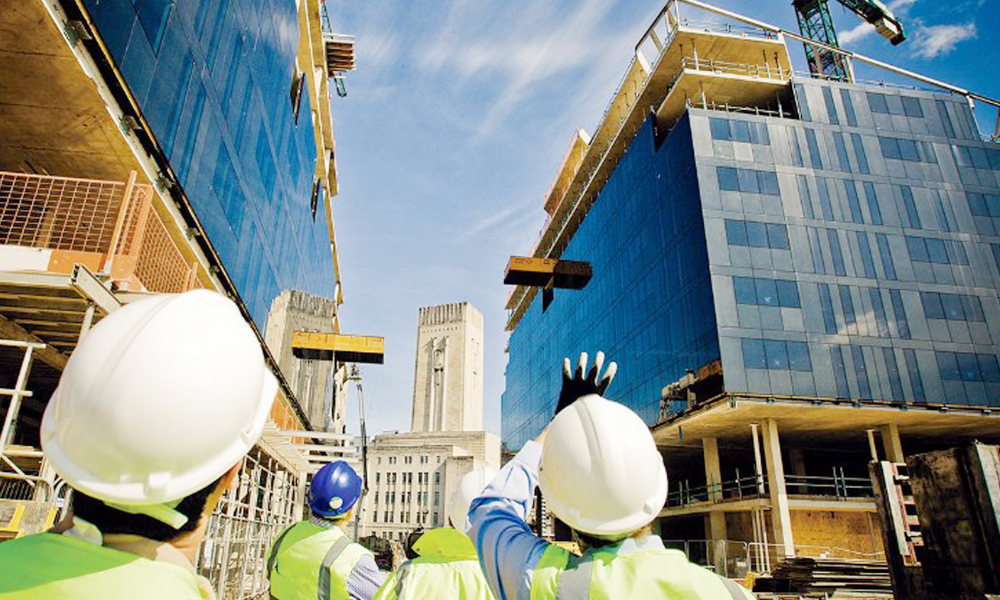
When you purchase a property, whether it’s a residential home or a commercial building, you’re investing. Buildings are expensive, and the last thing you want is to discover major issues after you’ve already bought the property. This is where a building inspection comes into play. By having a professional inspector assess the condition of the building before you finalize the purchase, an informed decision is made.
Identifying risks and hazards
The primary reason why a building inspection is crucial for insurance purposes is to identify potential risks and hazards. Insurers require detailed information about the condition of a property to determine the appropriate coverage and premiums. If there are any structural defects, electrical or plumbing issues, or other hazards that could lead to claims, the insurer needs to be aware of them. For example, suppose an inspector discovers that the building has a faulty electrical system that poses a fire risk. In that case, the insurer may require you to address the issue before they provide coverage or adjust the premiums accordingly.
Negotiating better rates
With a thorough building inspection, you negotiate better insurance rates. If the inspection reveals that the property is well-maintained and in good condition, you secure lower premiums or more favourable coverage terms. Insurers view well-maintained properties as a lower risk, which translates into cost savings for you. The inspection uncovers you use this information to negotiate with the seller for a lower purchase price or to request that they address the problems before closing the deal.
Condition of the building
They are building inspection condition of the property structure systems components. This information have a peek here is invaluable to insurance coverage. Insurers need to understand the specific condition of the building to accurately assess the risks and determine the appropriate coverage and premiums. For example, suppose the inspection report indicates that the roof is nearing the end of its lifespan. In that case, the insurer may require you to replace it within a certain timeframe or adjust the coverage to account for potential roof-related claims; by having a clear understanding of the building’s condition, both you and the insurer make informed decisions about the level of coverage and premiums.
Avoiding future claims
The main goal of a building inspection is to identify potential issues that could lead to future claims. By addressing these issues proactively, you avoid costly repairs and minimize the likelihood of filing insurance claims down the road. For instance, if the inspector notes that the foundation is showing signs of cracking or settlement, addressing this issue promptly prevents further damage and potentially expensive repairs. Similarly, if the inspection reveals moisture intrusion or mould growth, taking care of the problem early on prevents it from escalating and leading to health concerns or structural damage.
Liability concerns
Building inspections are not only important for identifying structural or system-related issues but also for assessing potential liability concerns. This is particularly relevant for commercial properties or multi-unit residential buildings. For example, the inspector may identify issues with accessibility, fire safety, or other compliance concerns that could expose you to legal liabilities. Insurers need appropriate liability coverage and protection in the event of a lawsuit or claim.
